
In today’s dynamic real estate market, commercial property investment has become one of the most powerful wealth-building strategies for entrepreneurs, business owners, and long-term investors. While residential properties often dominate beginner discussions, commercial assets offer higher rental yields, longer lease terms, and scalable growth opportunities.
If you’re planning to diversify your portfolio or create consistent passive income, this detailed SEO-friendly guide will help you understand everything about commercial property investment — from benefits and risks to strategies and expert tips.
What is Commercial Property Investment?
Commercial property investment refers to purchasing real estate that is used for business purposes rather than residential living. These properties generate income through rental payments from businesses and organizations.
Types of Commercial Properties
1. Office Spaces



Office buildings are leased to companies for operations. These can range from small co-working spaces to large corporate towers.
2. Retail Properties



Retail spaces include shopping malls, standalone stores, and high-street outlets rented by brands and businesses.
3. Industrial Properties
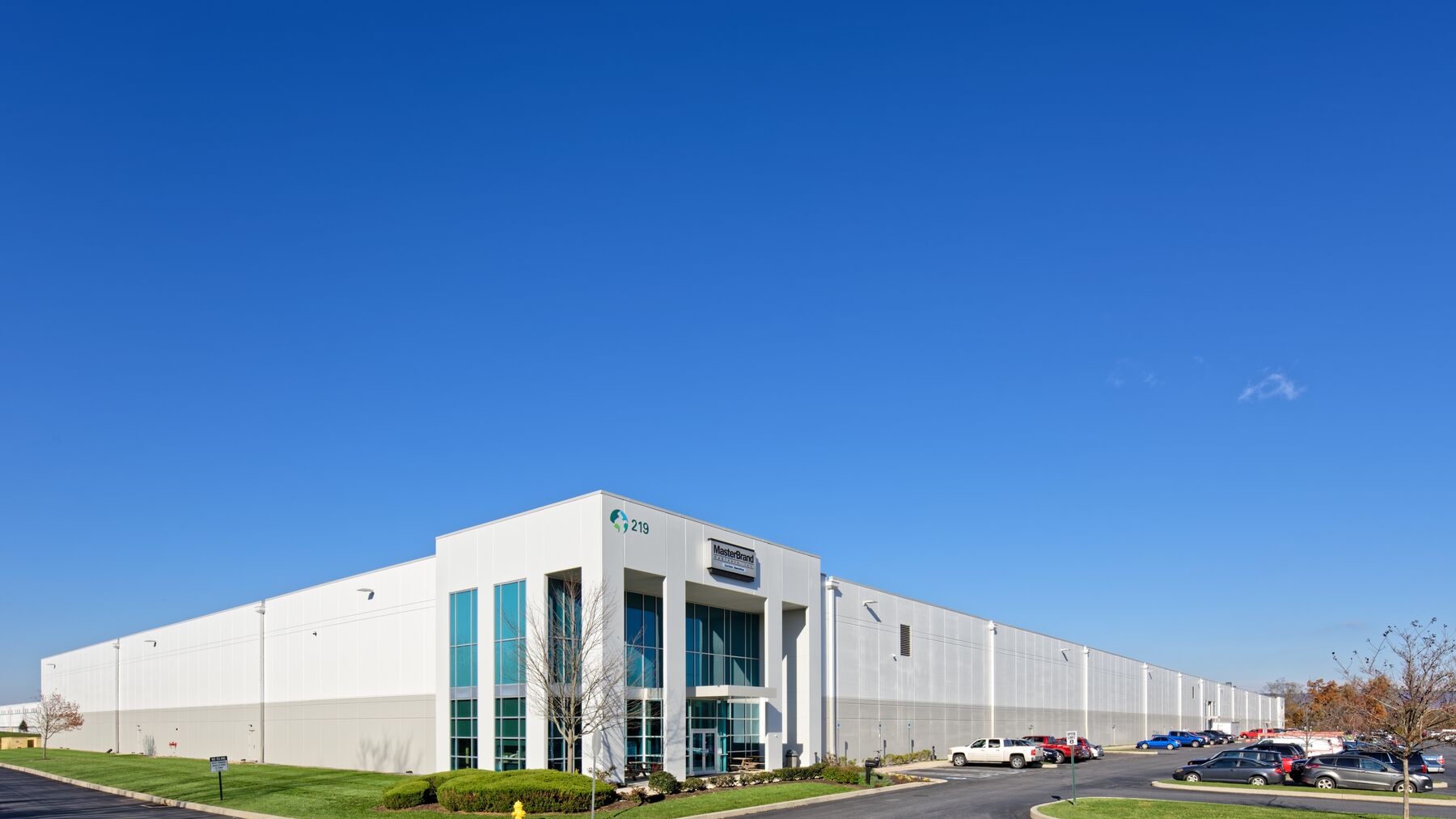


Warehouses, manufacturing units, and distribution centers fall under this category.
4. Mixed-Use Developments

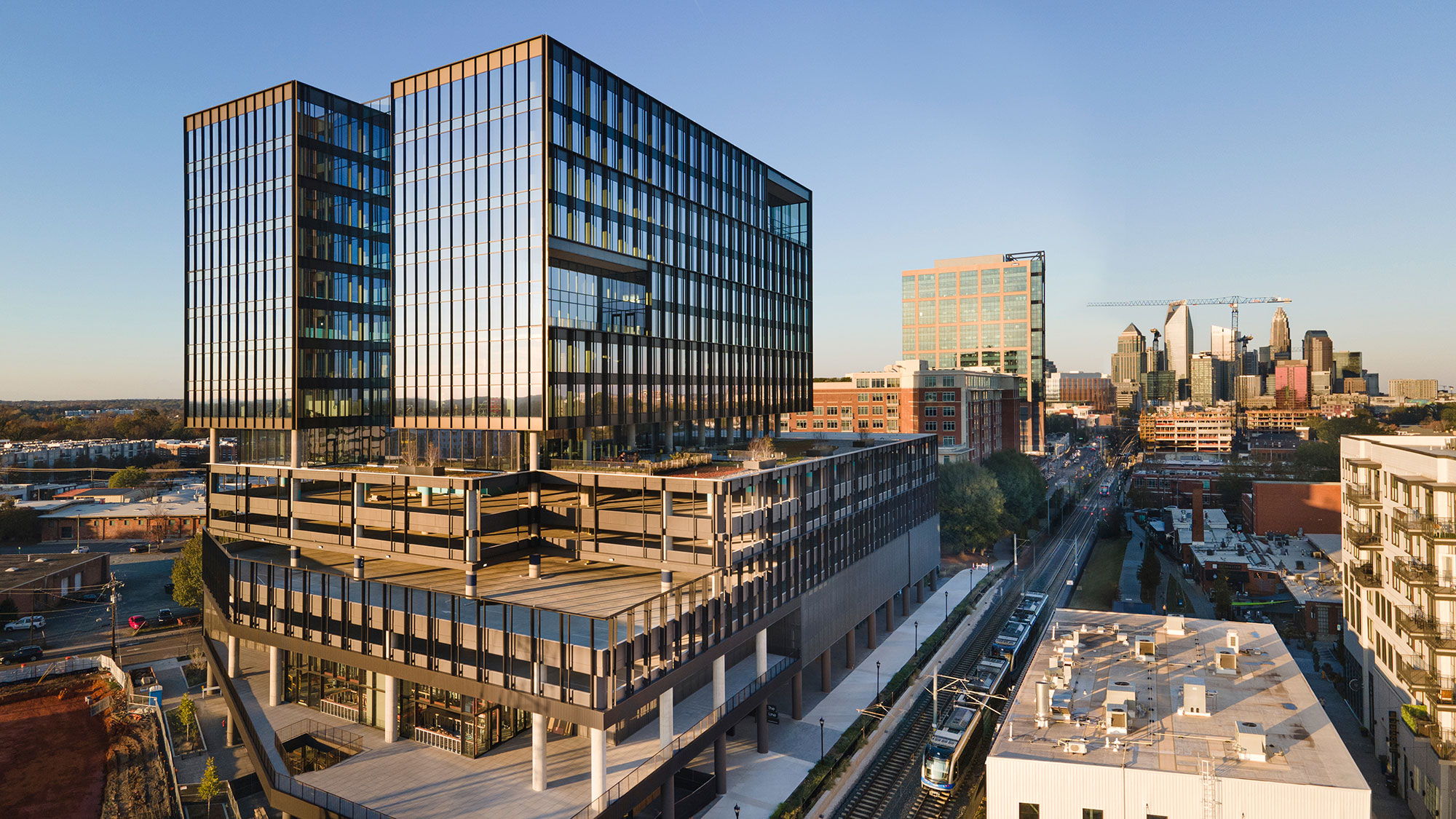

These properties combine office, retail, and sometimes residential spaces within a single development.
Why Commercial Property Investment is Gaining Popularity
1. Higher Rental Yields
Compared to residential real estate, commercial property investment typically offers higher rental returns. Rental yields often range between 6% to 12%, depending on location and property type.
2. Long-Term Lease Agreements
Commercial tenants usually sign leases for 3–10 years, ensuring stable and predictable income.
3. Professional Tenants
Businesses maintain properties better because their brand image depends on it. This reduces maintenance headaches.
4. Inflation Hedge
Rental agreements often include annual escalation clauses, protecting investors against inflation.
Key Factors to Consider Before Investing
1. Location is Everything
Prime business districts, developing commercial hubs, and infrastructure growth areas provide better appreciation and tenant demand.
Look for:
-
Metro connectivity
-
IT parks and business clusters
-
Upcoming infrastructure projects
-
High footfall areas (for retail)
2. Tenant Quality
Strong tenants mean lower risk. Evaluate:
-
Business stability
-
Brand reputation
-
Financial health
-
Industry growth trends
3. Return on Investment (ROI)
Calculate:
-
Rental Yield
-
Capital Appreciation
-
Net Operating Income (NOI)
-
Vacancy Rate
A smart commercial property investment balances both rental income and long-term value growth.
Advantages of Commercial Property Investment
✔ Stable Cash Flow
✔ Long Lease Terms
✔ Higher ROI
✔ Portfolio Diversification
✔ Business Growth Opportunity
For entrepreneurs like you, Bharat, who understand business growth and digital markets, commercial assets can align well with long-term expansion strategies — especially if you plan to scale training institutes or office spaces in the future.
Risks in Commercial Property Investment
No investment is risk-free. Here are potential challenges:
1. Higher Initial Capital Requirement
Commercial properties generally require more upfront investment.
2. Vacancy Risk
If a tenant vacates, finding a new business tenant may take time.
3. Market Fluctuations
Economic downturns can impact commercial demand.
4. Management Complexity
Lease agreements, maintenance clauses, and legal documentation are more detailed than residential properties.
Step-by-Step Guide to Start Commercial Property Investment
Step 1: Define Your Budget
Decide whether you are investing:
-
Through savings
-
Business profits
-
Bank financing
-
Joint ventures
Step 2: Market Research
Analyze:
-
Current rental rates
-
Demand-supply ratio
-
Upcoming developments
-
Competitor properties
Step 3: Property Evaluation
Check:
-
Title verification
-
Legal compliance
-
Construction quality
-
Parking facilities
-
Fire and safety compliance
Step 4: Negotiate Lease Terms
Important clauses:
-
Lock-in period
-
Escalation percentage
-
Maintenance responsibility
-
Exit conditions
Step 5: Close and Manage
After purchase:
-
Maintain documentation
-
Track payments
-
Conduct regular inspections
-
Build long-term tenant relationships
Best Cities for Commercial Property Investment in India


Mumbai
India’s financial capital with strong office and retail demand.
Pune
Rapid IT and startup growth, especially in Hinjewadi and Baner.
Bangalore
Tech hub with consistent office space demand.
Hyderabad
Emerging commercial hotspot with strong infrastructure growth.
Commercial Property Investment vs Residential Investment
| Factor | Commercial Property Investment | Residential Investment |
|---|---|---|
| Rental Yield | Higher (6–12%) | Lower (2–5%) |
| Lease Duration | Long-term | Short-term |
| Tenant Type | Businesses | Individuals |
| Management | Professional | Moderate |
| Risk | Moderate–High | Moderate |
For serious investors looking at scalability, commercial property investment often provides stronger financial leverage.
Tax Benefits of Commercial Property Investment
Investors may benefit from:
-
Depreciation deductions
-
Interest on loan deductions
-
Maintenance cost deductions
-
Property tax deductions
Consult a tax advisor to structure your investment efficiently.
Smart Strategies for Maximum Profit
1. Buy in Pre-Leased Projects
This reduces vacancy risk and ensures immediate rental income.
2. Invest in Growing Business Corridors
Infrastructure drives appreciation.
3. Diversify Property Types
Combine office + retail for balanced income.
4. Reinvest Rental Income
Use rental profits to expand portfolio.
Is Commercial Property Investment Right for You?
It is ideal for:
✔ Entrepreneurs
✔ Business owners
✔ High-income professionals
✔ Investors seeking passive income
✔ Portfolio diversifiers
If you aim for long-term wealth creation, commercial property investment can be a game-changing asset.
Future of Commercial Property Investment in 2026 and Beyond
Trends shaping the future:
-
Co-working demand growth
-
Flexible office spaces
-
Warehousing & logistics expansion
-
E-commerce-driven industrial growth
-
Smart commercial buildings
With India’s growing economy and digital transformation, demand for commercial real estate is expected to rise steadily.
Final Thoughts
Commercial property investment is not just about owning a building — it’s about owning a revenue-generating business asset. With higher rental yields, professional tenants, and long-term stability, it offers tremendous growth potential.
However, success depends on:
-
Smart research
-
Proper legal checks
-
Location analysis
-
Strategic lease negotiation
If done correctly, commercial property investment can create financial freedom, scalable income, and long-term wealth.
Frequently Asked Questions (FAQs)
Q1. Is commercial property investment better than residential?
It depends on your risk appetite and capital. Commercial offers higher returns but requires larger investment.
Q2. What is the minimum investment required?
It varies by city. In India, small office units may start from ₹25–50 lakhs.
Q3. Is financing available?
Yes, banks provide commercial property loans, though interest rates may be slightly higher than residential loans.