
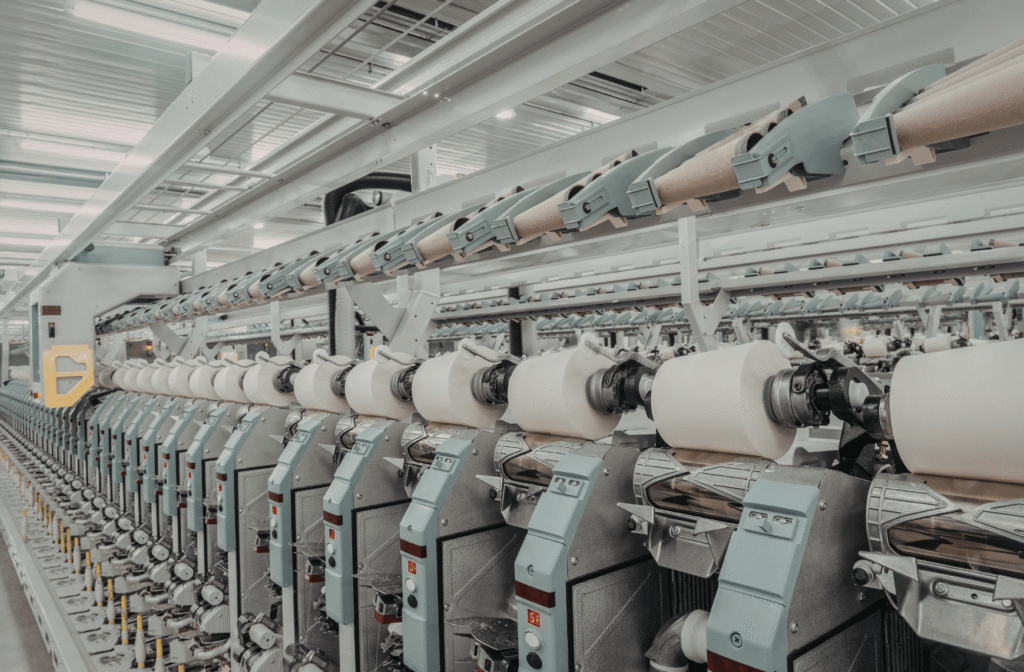
Industrial production plays a crucial role in shaping the global economy. From manufacturing consumer goods to producing heavy machinery and infrastructure materials, industries rely on effective planning and execution to remain competitive. In today’s rapidly evolving industrial environment, businesses must adopt industrial production strategies that improve efficiency, reduce costs, and ensure sustainable growth.
Industrial production strategies are structured approaches used by manufacturers and production managers to optimize operations, increase productivity, and maintain product quality. These strategies integrate advanced technologies, management practices, and operational frameworks to streamline manufacturing processes and respond effectively to market demands.
This blog explores the concept of industrial production strategies, their importance, key types, and how businesses can implement them successfully.
Understanding Industrial Production Strategies
Industrial production strategies refer to systematic methods used by organizations to plan, control, and improve the manufacturing process. These strategies focus on aligning production capabilities with business goals, market demand, and resource availability.
In the past, manufacturing primarily focused on mass production with limited flexibility. However, modern industries require adaptable and efficient systems capable of responding quickly to changes in demand, technology, and global competition. Industrial production strategies help organizations maintain operational excellence while minimizing waste and maximizing output.
These strategies often involve the integration of automation, data analytics, lean management practices, and supply chain optimization to create a seamless production environment.
Importance of Industrial Production Strategies
Adopting effective industrial production strategies is essential for businesses that want to remain competitive in the modern manufacturing landscape. These strategies help companies improve productivity, reduce operational costs, and ensure consistent product quality.
One of the most significant benefits is increased efficiency. By implementing structured production planning and workflow management, organizations can reduce downtime and eliminate unnecessary processes. This leads to faster production cycles and better resource utilization.
Another important advantage is cost control. Industrial production strategies allow companies to optimize the use of raw materials, labor, and energy, ultimately lowering manufacturing costs.
Additionally, these strategies help businesses maintain product quality. Standardized production processes ensure that products meet industry standards and customer expectations consistently.
Finally, effective industrial production strategies enable companies to scale operations and adapt to changing market demands without compromising efficiency.
Key Industrial Production Strategies
There are several industrial production strategies used by modern manufacturers. Each strategy focuses on improving different aspects of production and operational management.
Lean Manufacturing
Lean manufacturing is one of the most widely adopted industrial production strategies. It focuses on eliminating waste from the production process while maximizing value for the customer.
Waste in manufacturing can include excess inventory, unnecessary motion, waiting time, defects, and overproduction. Lean manufacturing aims to remove these inefficiencies through continuous process improvement.
By implementing lean practices, companies can reduce costs, improve productivity, and enhance product quality. Many global manufacturing organizations rely on lean principles to maintain competitive operations.
Just-In-Time Production
Just-In-Time (JIT) production is a strategy that focuses on producing goods only when they are needed. Instead of maintaining large inventories, manufacturers receive raw materials and components just before they are required in the production process.
This approach reduces storage costs and minimizes the risk of inventory obsolescence. However, JIT requires a highly efficient supply chain and strong coordination with suppliers to ensure timely delivery of materials.
When implemented correctly, JIT significantly improves operational efficiency and reduces waste.
Automation and Smart Manufacturing
Automation has become a fundamental part of modern industrial production strategies. Advanced technologies such as robotics, artificial intelligence, and industrial Internet of Things (IIoT) enable manufacturers to automate repetitive tasks and monitor production processes in real time.
Smart manufacturing systems collect and analyze data from machines and production lines to identify inefficiencies and predict maintenance needs. This reduces downtime and enhances overall productivity.
Automation also improves workplace safety by reducing the need for manual intervention in hazardous environments.
Mass Customization
In the past, mass production focused on creating identical products in large quantities. However, modern consumers increasingly demand personalized products.
Mass customization combines the efficiency of mass production with the flexibility of customized manufacturing. Using digital technologies and modular production systems, companies can produce customized products without significantly increasing costs.
This strategy allows businesses to meet diverse customer preferences while maintaining operational efficiency.
Agile Manufacturing
Agile manufacturing is a strategy designed to help organizations respond quickly to market changes and customer demands. It focuses on flexibility, adaptability, and rapid decision-making.
Agile production systems allow manufacturers to modify production processes quickly and introduce new products without major disruptions. This approach is particularly valuable in industries where technology and consumer trends change rapidly.
By adopting agile manufacturing, companies can maintain a competitive advantage in dynamic markets.
Technology and Digital Transformation in Industrial Production
Digital transformation has significantly influenced modern industrial production strategies. Technologies such as artificial intelligence, machine learning, and big data analytics enable manufacturers to optimize production processes and improve decision-making.
For example, predictive maintenance systems use data from sensors to identify potential machine failures before they occur. This helps companies avoid costly downtime and extend the lifespan of equipment.
Similarly, digital twins allow manufacturers to create virtual replicas of production systems. These models can be used to test different production scenarios and optimize workflows before implementing changes in real operations.
Cloud-based production management platforms also allow organizations to monitor and control manufacturing operations across multiple facilities.
Challenges in Implementing Industrial Production Strategies
While industrial production strategies offer numerous benefits, implementing them can be challenging. One common challenge is the high cost of technology adoption. Advanced automation systems and digital tools require significant investment.
Another challenge is workforce adaptation. Employees must be trained to operate new technologies and adapt to modern production methods.
Supply chain disruptions can also affect production strategies. For example, delays in raw material delivery can impact Just-In-Time manufacturing systems.
Additionally, companies must ensure proper integration between production systems, supply chain management, and business operations to achieve optimal results.
Overcoming these challenges requires careful planning, investment in workforce training, and strong leadership commitment.
Best Practices for Successful Industrial Production Strategies
Organizations can maximize the effectiveness of industrial production strategies by following several best practices.
First, companies should conduct a comprehensive assessment of their existing production processes. Understanding current inefficiencies helps identify areas for improvement.
Second, adopting a data-driven approach is essential. Real-time production data enables managers to monitor performance, detect issues, and make informed decisions.
Third, organizations should prioritize employee training and skill development. A knowledgeable workforce is critical for successfully implementing modern manufacturing technologies.
Another important practice is collaboration with suppliers and partners. Strong supply chain relationships ensure the smooth flow of materials and components required for production.
Finally, businesses should focus on continuous improvement. Industrial production strategies are most effective when organizations regularly review and refine their processes.
The Future of Industrial Production Strategies
The future of industrial production strategies will be shaped by technological innovation and sustainability initiatives. As industries continue to adopt digital technologies, manufacturing processes will become increasingly automated, intelligent, and interconnected.
Sustainable production practices will also play a key role. Companies are expected to reduce energy consumption, minimize waste, and adopt environmentally friendly manufacturing methods.
Advanced technologies such as artificial intelligence, robotics, and additive manufacturing will further transform industrial production. These innovations will allow manufacturers to produce goods faster, more efficiently, and with greater customization.
Organizations that invest in modern industrial production strategies will be better positioned to compete in the global marketplace and adapt to evolving industry trends.
Conclusion
Industrial production strategies are essential for modern manufacturing organizations seeking efficiency, innovation, and long-term growth. By implementing structured production planning, adopting advanced technologies, and focusing on continuous improvement, businesses can optimize their operations and remain competitive in a rapidly changing industrial landscape.
From lean manufacturing and Just-In-Time production to automation and agile manufacturing, these strategies enable organizations to streamline processes, reduce costs, and improve product quality.
As industries continue to evolve, companies that embrace effective industrial production strategies will be better equipped to meet market demands, drive innovation, and achieve sustainable success.