
In today’s fast-changing business landscape, ESG reporting 2026 is no longer optional—it is becoming a strategic necessity. Investors, regulators, customers, and stakeholders now expect companies to disclose their Environmental, Social, and Governance (ESG) performance with clarity and transparency.
As global regulations tighten and sustainability becomes a boardroom priority, organizations must prepare for the evolving compliance framework in 2026. In this detailed SEO-friendly guide, we will explore what ESG reporting 2026 means, why it matters, key regulations, reporting frameworks, benefits, challenges, and how your business can stay ahead.
What is ESG Reporting?
ESG reporting refers to the disclosure of data related to a company’s:
-
Environmental impact (carbon emissions, waste management, energy use)
-
Social responsibility (employee welfare, diversity, community impact)
-
Governance structure (board diversity, ethics, risk management, transparency)
It helps stakeholders evaluate how responsibly and sustainably a company operates beyond financial performance.
By ESG reporting 2026, global standards are expected to be stricter, more standardized, and more data-driven than ever before.
Why ESG Reporting 2026 Is Crucial for Businesses
1. Regulatory Compliance
Governments worldwide are strengthening sustainability regulations. By 2026, many businesses—especially listed companies and large enterprises—will face mandatory ESG disclosures.
2. Investor Expectations
Investors are increasingly integrating ESG metrics into decision-making. Companies with strong ESG reporting often attract better funding opportunities and long-term investors.
3. Brand Reputation
Consumers prefer brands that demonstrate social and environmental responsibility. Transparent ESG reporting builds trust and enhances brand credibility.
4. Risk Management
Identifying environmental and social risks early helps companies prepare for future disruptions.
Key ESG Reporting Regulations in 2026
Here are some major global regulatory developments shaping ESG reporting 2026:
🇪🇺 Corporate Sustainability Reporting Directive (CSRD)

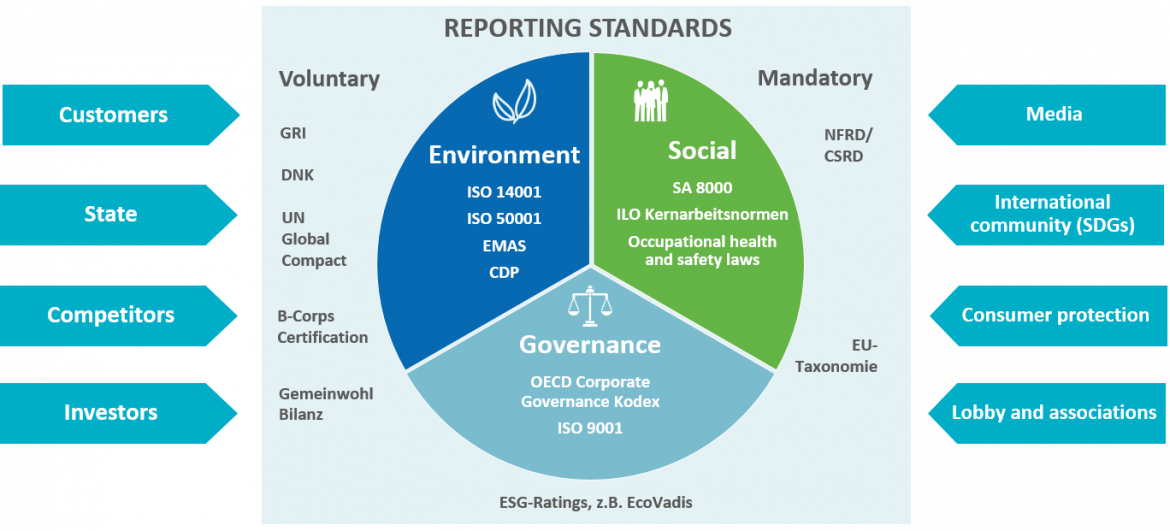

The Corporate Sustainability Reporting Directive requires large companies and listed SMEs in the EU to disclose detailed ESG information. By 2026, reporting requirements will expand further.
🇺🇸 SEC Climate Disclosure Rules

The U.S. Securities and Exchange Commission has introduced climate-related disclosure requirements. These will significantly impact public companies by 2026.
🇮🇳 India’s BRSR Framework

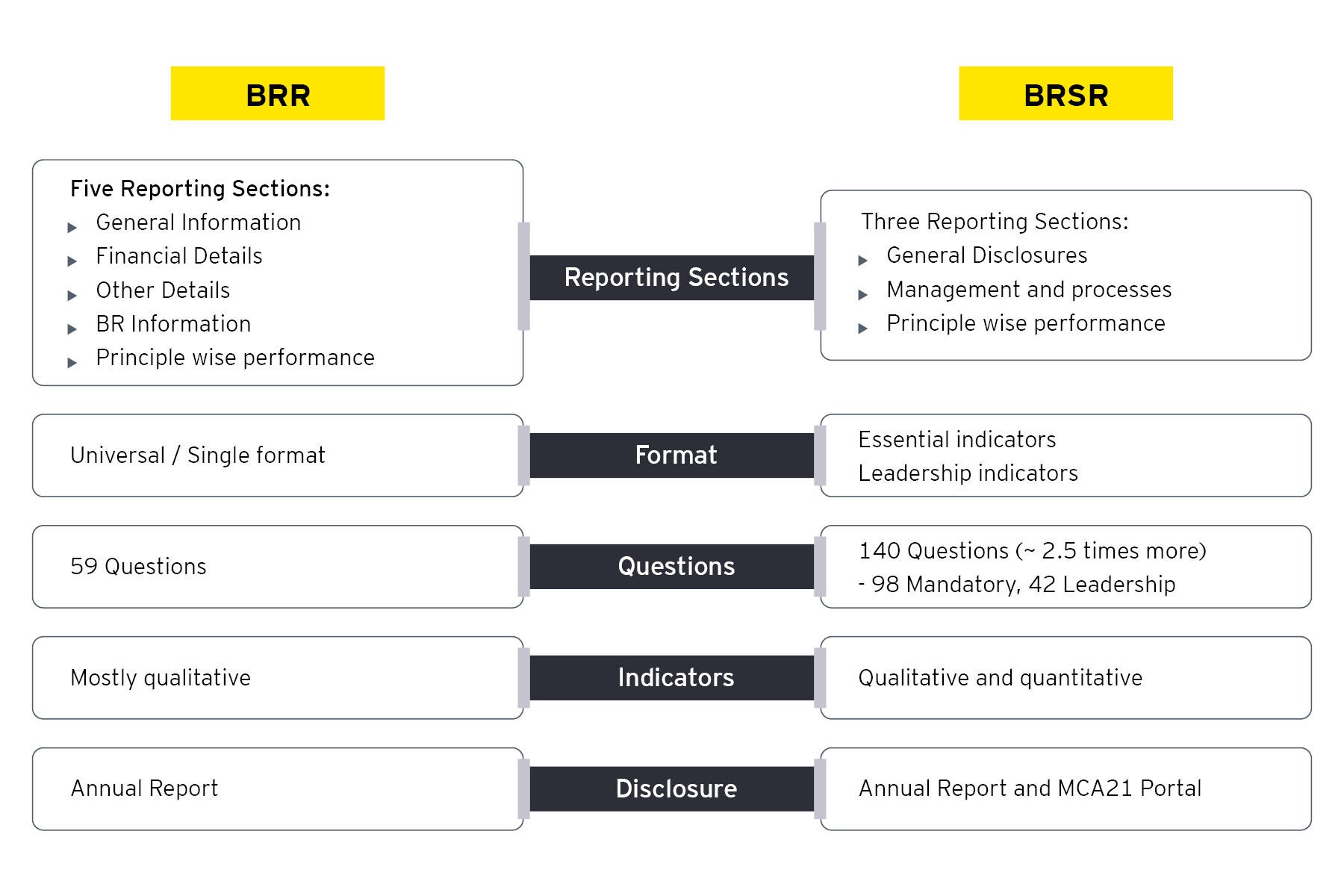

In India, SEBI’s Business Responsibility and Sustainability Reporting (BRSR) framework is mandatory for top listed companies. ESG reporting 2026 will likely extend compliance expectations further.
Major ESG Reporting Frameworks to Know
Businesses must align with recognized global frameworks to ensure compliance and credibility.
1. Global Reporting Initiative (GRI)
GRI provides universal sustainability reporting standards widely adopted worldwide.
2. Sustainability Accounting Standards Board (SASB)
SASB focuses on industry-specific sustainability metrics.
3. Task Force on Climate-related Financial Disclosures (TCFD)
TCFD recommends climate risk disclosures in financial filings.
4. International Sustainability Standards Board (ISSB)
ISSB is working toward globally consistent sustainability standards, which will play a central role in ESG reporting 2026.
Key Components of ESG Reporting 2026
To prepare effectively, companies must focus on the following elements:
Environmental Metrics
-
Scope 1, 2, and 3 emissions
-
Energy consumption
-
Water usage
-
Waste management
-
Climate risk strategy
Social Metrics
-
Employee diversity
-
Labor practices
-
Human rights compliance
-
Community development initiatives
Governance Metrics
-
Board structure
-
Executive compensation transparency
-
Anti-corruption policies
-
Risk oversight mechanisms
Benefits of ESG Reporting 2026
1. Increased Investor Confidence
Clear disclosures attract institutional investors focused on sustainable investing.
2. Competitive Advantage
Companies with strong ESG practices often outperform competitors in long-term growth.
3. Improved Operational Efficiency
Tracking environmental data often leads to cost savings through energy optimization and waste reduction.
4. Better Access to Capital
Banks and financial institutions increasingly offer better terms for ESG-compliant businesses.
5. Stronger Stakeholder Trust
Transparent ESG reporting enhances relationships with employees, customers, and communities.
Challenges in ESG Reporting 2026
While ESG reporting offers many benefits, businesses may face challenges:
Data Collection Complexity
Gathering accurate ESG data across departments and supply chains is demanding.
Regulatory Uncertainty
Standards are evolving, and companies must continuously adapt.
Cost of Implementation
Adopting ESG reporting tools, audits, and consultants can increase operational costs.
Greenwashing Risks
Misleading sustainability claims can damage brand reputation and lead to legal penalties.
How to Prepare for ESG Reporting 2026
Here is a step-by-step strategy:
Step 1: Conduct an ESG Gap Analysis
Evaluate current sustainability practices and identify areas needing improvement.
Step 2: Align with Reporting Frameworks
Choose appropriate global frameworks like GRI or ISSB.
Step 3: Implement ESG Data Management Tools
Adopt digital solutions to track and automate reporting processes.
Step 4: Train Leadership & Teams
Ensure management understands ESG compliance and accountability.
Step 5: Engage Third-Party Auditors
Independent verification enhances credibility.
ESG Reporting 2026 Trends to Watch
1. AI-Powered ESG Analytics
Artificial intelligence will streamline ESG data analysis and predictive sustainability insights.
2. Integrated Reporting
Financial and ESG disclosures will merge into a single comprehensive report.
3. Real-Time Sustainability Tracking
Companies may move toward continuous ESG monitoring rather than annual reports.
4. Scope 3 Emission Transparency
Supply chain disclosures will become more detailed and mandatory.
ESG Reporting 2026 and SMEs
Small and medium enterprises (SMEs) should not ignore ESG compliance. Even if regulations initially target large corporations, supply chain requirements will push SMEs to disclose sustainability data.
Early adoption ensures smoother compliance and better market positioning.
Best Practices for Effective ESG Reporting
-
Maintain transparency and accuracy
-
Avoid vague sustainability claims
-
Provide measurable KPIs
-
Benchmark against industry peers
-
Publish reports consistently
-
Communicate progress clearly
ESG Reporting 2026: The Future of Corporate Accountability
By 2026, ESG reporting will become a fundamental part of corporate strategy rather than just a compliance requirement. Companies that embrace sustainability early will gain stronger investor confidence, improved brand value, and long-term resilience.
Organizations that delay adaptation risk regulatory penalties, investor withdrawal, and reputational damage.
Final Thoughts
ESG reporting 2026 marks a major transformation in how businesses operate and communicate responsibility. With increasing regulatory scrutiny, evolving global frameworks, and rising stakeholder expectations, companies must act now to prepare.
The future belongs to businesses that prioritize transparency, sustainability, and governance excellence.
If your organization begins planning today—by aligning with recognized standards, investing in data systems, and building internal ESG capabilities—you will not just comply with ESG reporting 2026 requirements but also gain a powerful competitive advantage in the global market.
Frequently Asked Questions (FAQs)
Q1. Is ESG reporting mandatory in 2026?
In many regions, ESG reporting will be mandatory for large and listed companies. Requirements may vary by country.
Q2. What industries are most affected by ESG reporting 2026?
Energy, manufacturing, finance, real estate, and public companies will face stricter compliance requirements.
Q3. How can companies start ESG reporting?
Begin with a sustainability assessment, align with recognized frameworks, and implement data management systems.